The historical evolution of casinos A journey through time and chance
The historical evolution of casinos A journey through time and chance
The Origins of Gambling
The concept of gambling dates back thousands of years, with evidence suggesting that ancient civilizations engaged in games of chance using rudimentary methods. From the Mesopotamians, who used dice made from bones, to the Chinese, who developed the earliest forms of gambling games involving card-like tiles, the allure of chance has captivated human beings throughout history. For those interested in contemporary options, exploring Bof Casino slots can offer a glimpse into modern gaming experiences.
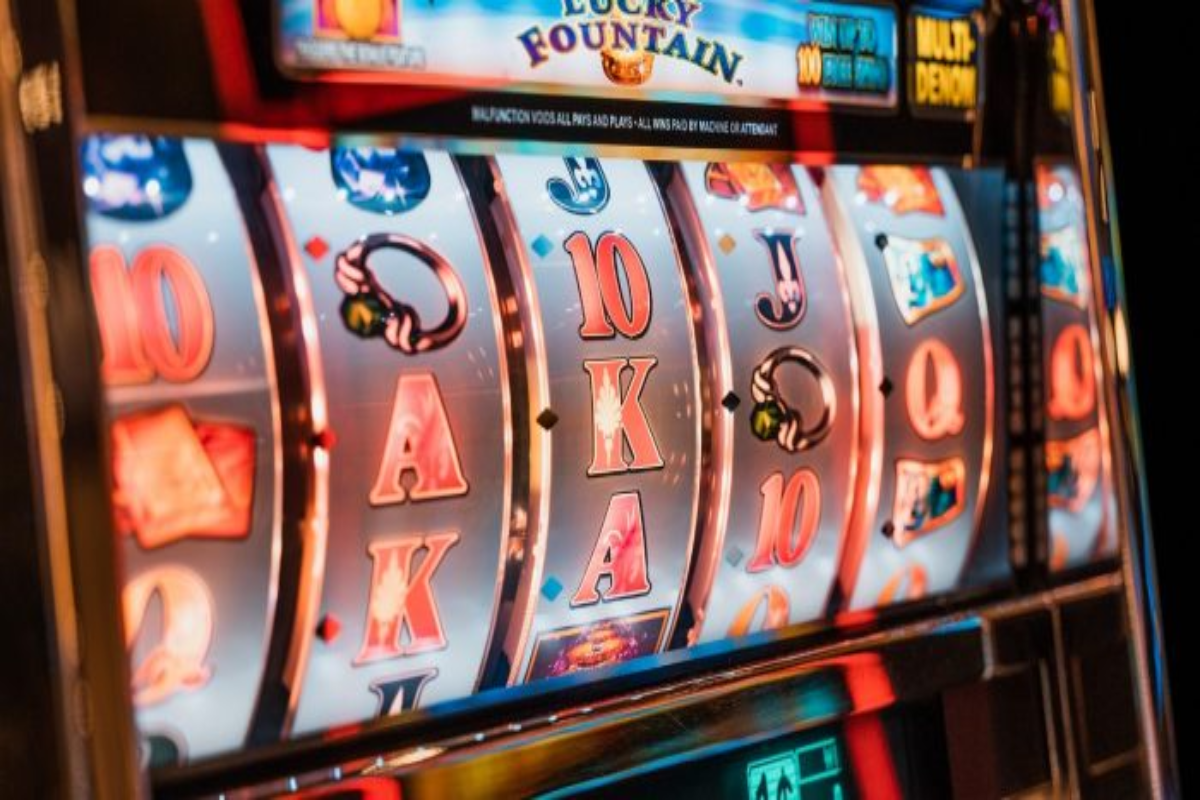
These early games were often tied to cultural practices and were used as tools for divination. For instance, in ancient Rome, citizens played various games, including betting on gladiatorial contests. The social aspect of these activities helped to cement gambling as a popular pastime across cultures, paving the way for the establishment of more organized forms of gaming.
The Birth of Modern Casinos
The first official casino is credited to the Casino di Venezia, which opened its doors in 1638 in Venice, Italy. This establishment laid the groundwork for modern gambling establishments by providing a regulated environment for players to indulge in their favorite games. The introduction of card games, roulette, and dice games contributed to the casino’s burgeoning popularity among the elite and commoners alike.
During the 18th century, the concept of casinos spread throughout Europe, with notable establishments opening in cities like Paris and Baden-Baden. The allure of these venues was not solely based on the games; they also became social hubs where individuals could gather, enjoy fine dining, and indulge in entertainment, further enhancing their appeal.
The American Casino Boom
The 19th century marked a significant transformation in the casino landscape, particularly in the United States. The Gold Rush of the mid-1800s attracted an influx of prospectors to the West, leading to the establishment of gambling halls in towns such as San Francisco. These venues played a vital role in the social fabric of these burgeoning communities, providing both entertainment and a sense of belonging.
The introduction of Las Vegas as a gambling destination in the 20th century transformed the casino industry once again. With the legalization of gambling in Nevada in 1931, Las Vegas evolved into the entertainment capital of the world, featuring grand resorts and elaborate casinos that offered a wide array of games, shows, and luxury accommodations.
The Digital Revolution and Online Casinos
With the advent of the internet in the late 20th century, the gambling industry experienced yet another seismic shift. Online casinos began to emerge in the mid-1990s, allowing players to enjoy their favorite games from the comfort of their homes. This innovation expanded the reach of casinos, enabling access to a global audience and introducing new forms of gaming, such as virtual slots and live dealer games. These advancements have also provided valuable tips and tricks for players seeking to enhance their experience.
Online platforms have become increasingly sophisticated, incorporating advanced technology and security measures to ensure fair play and protect user data. The convenience and accessibility of online gambling have contributed to its popularity, leading to the establishment of a vast array of gaming sites catering to various preferences and interests.

The Future of Casinos
As the casino industry continues to evolve, trends such as mobile gaming, virtual reality experiences, and cryptocurrency transactions are reshaping how players interact with their favorite games. The rise of esports betting and live-streamed gaming events signifies a new era of gambling that appeals to younger audiences and tech-savvy individuals.
While traditional casinos remain beloved destinations for many, the blend of digital and physical experiences indicates a promising future for the industry. As operators adapt to changing consumer preferences and technological advancements, the journey through time and chance in the world of casinos is far from over.
Share on Facebook Share on Twitter Share on Pinterest